
Transportation Noise Control
Calmer stations, terminals, and cabins.
Terminals and vehicles are noise from every direction: engines, crowds, announcements competing with both, and rumble traveling through structure. Passengers need to hear information clearly and neighbors need relief. The approach maps each noise path, then blocks, absorbs, and clarifies in turn.
Acoustic challenges in Transportation
Engine and mechanical noise
Vehicle systems, HVAC, and road or rail noise intrude into cabins and passenger areas. Long exposure adds stress and fatigue to every trip.
Crowded terminal roar
Stations and terminals combine hard surfaces with surging crowds. The noise makes waiting unpleasant and wears down staff through long shifts.
Unclear announcements
In noisy terminals, PA announcements blur into the background. Passengers miss gate and safety information when intelligibility drops.
Structure-borne rumble
Vibration from engines, wheels, and track travels through vehicle structures into the cabin, adding a low rumble that absorption alone cannot fix.
How we treat Transportation
Identify the noise paths
Transportation noise arrives by air and through structure. We assess which paths dominate (mechanical, crowd, or environmental), since each needs a different answer.
Block mechanical intrusion
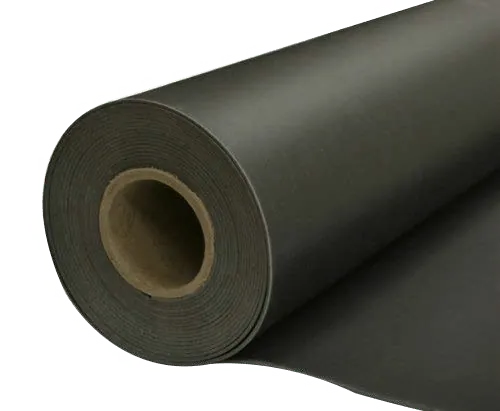
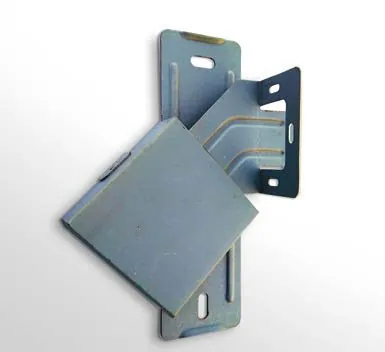
Mass and isolation treatments target engine, HVAC, and road or rail noise at the path into cabins and passenger areas, where comfort matters most.
Calm the terminals
Absorptive materials in stations and waiting areas cut reflections and crowd buildup, making large hard spaces noticeably more comfortable.
Improve announcement clarity
With background levels down and reflections controlled, PA and safety announcements become intelligible again, a direct win for passenger communication.
Products for Transportation

Need more than products?
Our consulting team handles the full project: measurement, design, and verification.
Common questions
Both. Engine, HVAC, and wind noise travel through air; wheel, rail, and engine vibration travels through structure. A complete solution addresses each path: absorption and mass for airborne sound, decoupling and damping for vibration.
Usually significantly. Announcements fail because background noise and reflections blur them. Treating the room's acoustics plus proper speaker placement and tuning restores intelligibility. In safety-critical spaces, this matters more than comfort.
Materials for transportation must meet the applicable fire, smoke, and toxicity standards for the mode and jurisdiction. We specify compliant materials for transit work. Confirm your local requirements with us when you request a proposal.
Often, yes. Cabins can be treated during scheduled maintenance windows, and terminals can be phased around operations. Retrofits work within existing structures, though new-build projects allow deeper solutions.
Describe the mode (rail, bus, marine, or station facility) and the noise problem you are seeing. We will recommend an assessment approach and build a proposal around your operations and compliance needs.
Let's make it quieter.
Browse noise control products, add what you need to a quote request, or talk to our acoustics team about your project.