
Office Spaces/Conference Rooms
Open offices leak conversations and kill focus. Targeted absorption and speech-privacy treatment keep discussions confidential and make heads-down work actually quiet.
Open offices put dozens of conversations in one hard box. Speech, especially half-overheard speech, is the hardest sound to ignore, and glass meeting rooms add their own ring. The fix is layered: absorb reflections, protect speech privacy, and mask what remains.
Acoustic challenges in Office Spaces/Conference Rooms
Distracting office chatter
Overheard conversations are the top complaint in open offices. Half-heard speech is especially hard to ignore, and it pulls focus from real work.
No speech privacy
Meeting rooms with thin walls and open desks nearby mean confidential calls get overheard. People start avoiding calls or whispering instead of working normally.
Echoey meeting rooms
Glass walls and hard tables make conference rooms ring. Remote participants hear the room more than the speaker, and in-person meetings feel harsh.
Noise stacking up
In dense layouts every conversation, printer, and chair scrape adds up. The overall level climbs through the day and stress climbs with it.
How we treat Office Spaces/Conference Rooms
Walk the space
We look at layout, finishes, and where complaints actually come from. The noisiest teams and the quietest corners get attention first, so treatment goes where it counts.
Absorb with acoustic panels
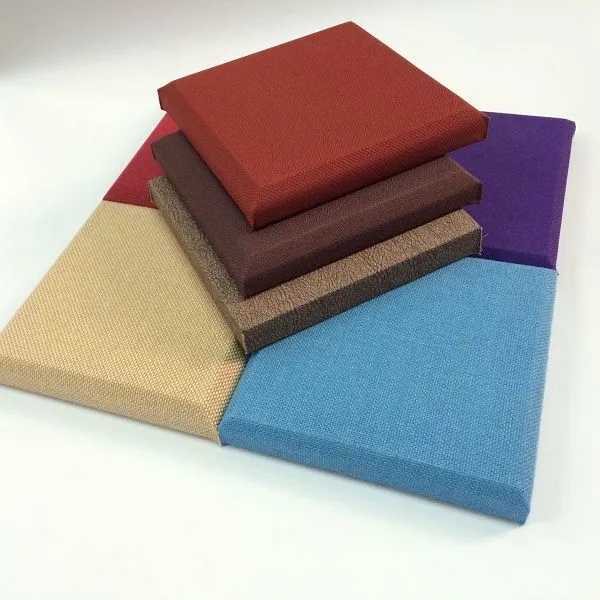
Wall and ceiling panels soak up reflections and lower overall levels. Strategic placement around workstations and meeting rooms does more than covering every wall.
Mask what remains
A tuned sound masking system adds a consistent, comfortable background that covers stray speech without being noticeable. It is adjustable to each zone's needs.
Divide and designate
Desk dividers, absorptive furniture, phone booths for private calls, and quiet zones for deep work give people control. Conference rooms get panels plus proper mic and speaker setups.
Products for Office Spaces/Conference Rooms

Need more than products?
Our consulting team handles the full project: measurement, design, and verification.
Common questions
In most cases, yes. Panels, masking, dividers, and phone booths can bring distraction down substantially while keeping the open layout your team chose. Private offices are not required, but we will tell you honestly if a space is too far gone for treatment alone.
It is a specially shaped background sound, gentler than white noise, delivered through ceiling or desktop speakers. You stop noticing it within minutes, but it makes nearby conversations far less distracting. The level is tunable per zone.
Yes, noticeably. Panels cut the reflections that make your voice sound distant and echoey to remote participants. Conference rooms often get the biggest, most immediate improvement.
Not necessarily. Many offices start with the noisiest area or a few meeting rooms and expand from there. A phased plan lets you prove the results before committing to the full floor.
Panel and masking installs are typically quick and quiet. Most work can be scheduled in phases or after hours so your team keeps working through the upgrade.
Let's make it quieter.
Browse noise control products, add what you need to a quote request, or talk to our acoustics team about your project.