
Hospitals & Healthcare Facilities
Rest is part of recovery, and clear communication is part of care. Hospitals need quieter patient rooms, calmer corridors, and speech privacy at nurse stations, pharmacies, and consultation areas.
Hospitals never sleep and never get quiet on their own: alarms, carts, conversations, and footfall echo through hard corridors around the clock. Patients rest worse in noise, and staff mishear in it. The work is calming surfaces, protecting speech privacy, and stopping impact between floors, usually while the facility stays open.
Acoustic challenges in Hospitals & Healthcare Facilities
Corridor and room clatter
Carts, alarms, and foot traffic echo through hard-surfaced corridors and patient rooms. A 24-hour facility never gets a quiet moment by default.
Conversations that must stay private
Nurse stations, pharmacy counters, and consultation areas carry protected health information. Voices that travel across the room are a compliance problem.
Footfall and carts through floors
Footsteps and rolling equipment transmit through slabs into the rooms below. Patients trying to rest hear everything happening upstairs.
Clear communication in care areas
In noisy nursing stations and emergency areas, staff need to hear each other the first time. Background noise slows communication when it matters.
How we treat Hospitals & Healthcare Facilities
Assess patient and staff areas
We review corridors, patient rooms, nurse stations, and consultation areas to find where noise hurts rest, privacy, or communication most.
Calm ceilings and corridors
Acoustic ceiling tiles with strong absorption go into corridors and patient rooms, the surfaces that matter most, bringing down the clatter of carts, alarms, and foot traffic.
Add speech privacy at stations
Fabric-wrapped acoustic panels on walls near nurse stations, waiting areas, and pharmacy counters reduce how far voices travel, helping private conversations stay private.
Stop impact between floors
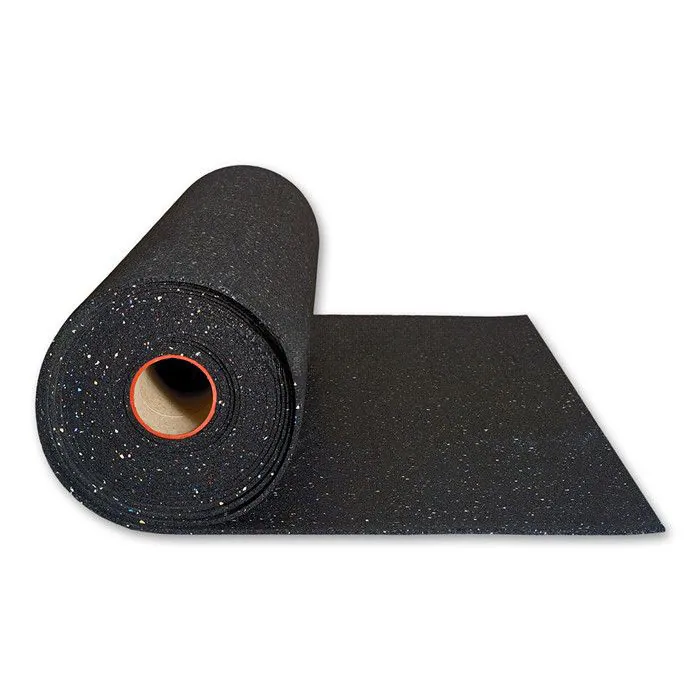
Acoustic flooring underlayment goes under finished floors to cut the structure-borne path of footsteps and rolling carts at the source.
Products for Hospitals & Healthcare Facilities


Need more than products?
Our consulting team handles the full project: measurement, design, and verification.
Common questions
Yes. Healthcare projects routinely phase work around occupied spaces, and our treatments install cleanly and quickly. We plan the work in phases so patient care never stops.
Panels absorb sound energy, so voices fade over a shorter distance instead of carrying across the room. In a nurse station or pharmacy, that means conversations stay within the intended area.
Corridors are dominated by reflections off hard parallel surfaces, so absorptive ceilings change the character of the space noticeably. Carts, alarms, and voices lose their harsh edge.
Impact noise travels through the building structure, so the fix is at the floor: acoustic underlayment under the finished floor breaks the transmission path. It works best during flooring replacement or new construction.
Request a proposal with the areas you're concerned about. We'll plan treatment that installs cleanly around your operations and matches your hygiene and durability requirements.
Let's make it quieter.
Browse noise control products, add what you need to a quote request, or talk to our acoustics team about your project.