
School Noise Control | Classrooms and Educational Facilities
Focused learning environments.
Classrooms are where acoustics matter most and get the least attention: hard walls and floors that ring, cafeterias that roar, and outside noise leaking in. Teachers strain their voices and students lose focus. Treatment is straightforward, durable, and usually starts with the classrooms.
Acoustic challenges in School | Classrooms and Educational Facilities
Echo in classrooms
Hard walls and floors make classrooms ring. Teachers project all day, students lose focus, and every footstep and chair scrape carries.
Strained teaching
When rooms are noisy, teachers raise their voices and students strain to hear. Learning suffers when the lesson competes with the room.
Cafeteria and hallway roar
Cafeterias, gyms, and hallways concentrate hundreds of students in hard volumes. The noise spills into classrooms and wears everyone down.
Outside noise leaking in
Traffic, playgrounds, and adjacent activities leak through doors and windows. Districts often treat this first because it disrupts instruction directly.
How we treat School | Classrooms and Educational Facilities
Survey the campus
We identify which spaces hurt learning most: usually classrooms first, then cafeterias, gyms, and corridors. Priorities get ranked so phased work starts where it matters.
Treat classrooms
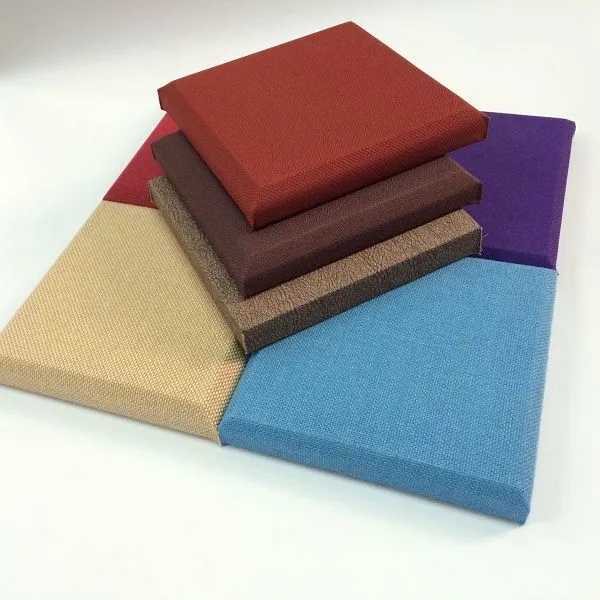
Wall panels absorb sound and cut reverberation, carpeting or area rugs soften footstep noise, and sound-absorbing furniture quiets chair and table movement. A calmer room for concentration.
Control common spaces
Acoustic ceiling tiles or clouds in hallways and common areas stop sound from carrying across the building, and barriers or partitions in cafeterias bring lunch-period noise down to comfortable levels.
Seal the envelope
Doors and windows get soundproofing upgrades to minimize external noise, and gyms and auditoriums get acoustic treatment so events sound balanced instead of overwhelming.
Products for School | Classrooms and Educational Facilities

Need more than products?
Our consulting team handles the full project: measurement, design, and verification.
Common questions
Research and teacher experience both point the same way: noisy classrooms make it harder for students to hear instruction and concentrate, especially younger students and those with hearing difficulties. Quieter rooms mean less repetition and less vocal strain for teachers too.
Some of it, yes. Simple installs can be done room by room. But most districts schedule the heavy work over summer or holiday breaks to avoid any disruption. We plan the phases around your calendar.
Classroom wall panels and soft flooring are usually the best value: they directly serve instruction hours and are straightforward to install. Cafeteria and corridor treatment follows once the core classrooms are handled.
Yes, with the right approach. Those big volumes need treatment designed for events: balanced sound for performances and assemblies, not just absorption. It is a different design than a classroom, but the same materials.
Schools need tough materials. Panels and finishes are chosen to handle bumps, cleaning, and years of student traffic. Tell us about the space's use and we will spec accordingly.
Let's make it quieter.
Browse noise control products, add what you need to a quote request, or talk to our acoustics team about your project.