
Hotels & Hospitality
Guests remember two things about a hotel room: the bed and the noise. Room-to-room isolation, quiet corridors, and comfortable lobby and restaurant acoustics are what turn a stay into a five-star review.
A hotel sells quiet sleep and calm public spaces, and guests complain about noise more than almost anything else. Footsteps from above, voices through walls, and roaring lobbies each need a different fix. Most of it can be installed in phases, floor by floor, without closing the property.
Acoustic challenges in Hotels & Hospitality
Noise between guest rooms
Voices, TVs, and plumbing carry through party walls. Guests who hear their neighbors don't leave five-star reviews.
Footsteps from above
The most common hotel complaint is impact noise from the room above. Hard-surface floors pass every footstep straight through.
Lobby and restaurant roar
Lobbies, breakfast areas, and hotel restaurants are all hard surfaces and high energy. The roar makes the space feel chaotic instead of welcoming.
Echoing corridors
Long, hard corridors bounce every sound the length of the hall. Guests and luggage noise travel far past the room it came from.
How we treat Hotels & Hospitality
Assess rooms and public spaces
We review the guest-room stack, corridor construction, and public areas to find where sound transfers and where it builds up.
Isolate the guest rooms
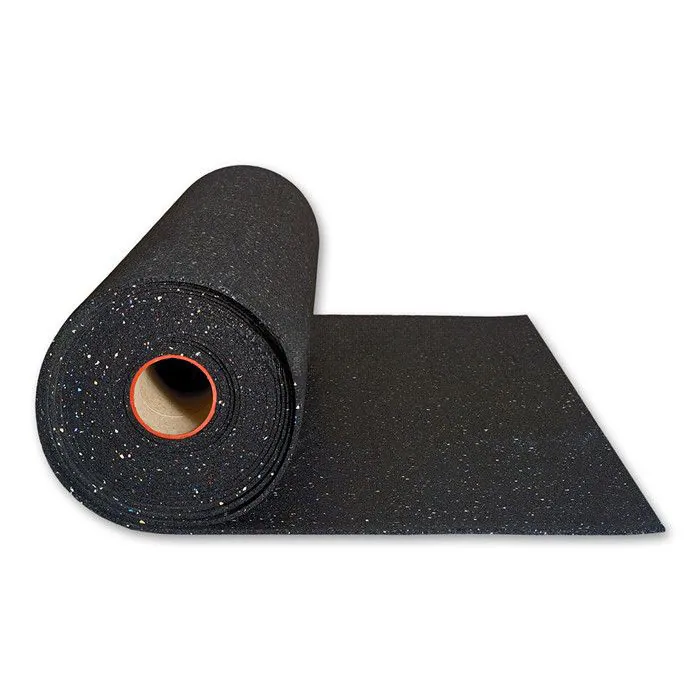
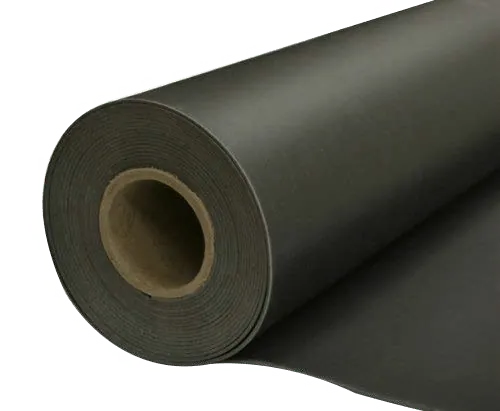
Acoustic flooring underlayment under hard-surface floors cuts impact noise, and mass loaded vinyl inside party walls adds the mass that blocks voices and TV sound between rooms.
Calm the public spaces
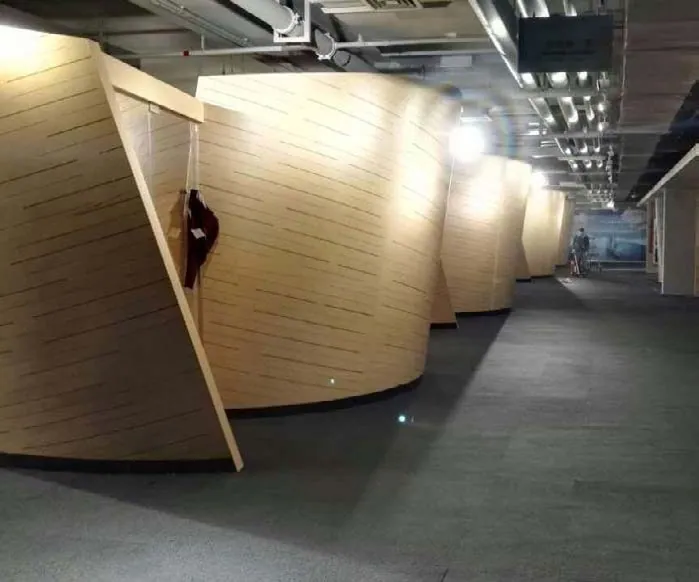
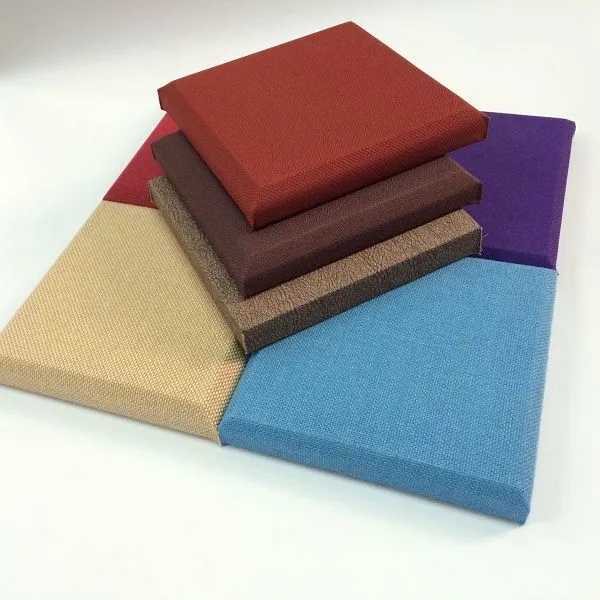
Art acoustic panels absorb the roar in lobbies, breakfast areas, and restaurants while doubling as branded décor. Fabric-wrapped panels finish corridors and meeting rooms.
Phase the renovation
Treatments install over existing finishes, so rooms upgrade in rotation without closing floors. We scope a phased plan for your property.
Products for Hotels & Hospitality
Need more than products?
Our consulting team handles the full project: measurement, design, and verification.
Common questions
In many cases, yes. MLV can be added inside wall assemblies, and underlayment goes under flooring, both without a full renovation. How much is achievable depends on the existing construction, which we assess first.
Impact noise travels through the floor structure, so the treatment is at the floor: acoustic underlayment under the finished floor softens the impact before it transmits. It's most practical during flooring replacement.
No. The goal is comfortable energy, not silence. Treatment brings the roar down to where conversation is easy, while the space still feels lively and welcoming.
Yes. Many treatments install over existing finishes, so rooms can be upgraded in rotation. We plan the work in phases around your occupancy.
Request a proposal and tell us about the property: room count, floor construction, and the problem areas. We'll put together a phased plan matched to your renovation schedule.
Let's make it quieter.
Browse noise control products, add what you need to a quote request, or talk to our acoustics team about your project.