
Music Festival Noise Control
Great sound for every attendee.
A festival is the loudest thing for miles, and the neighbors know it. The job is two-sided: keep the energy high inside the grounds while keeping sound off the surrounding streets, with permits to satisfy. That means containing stage sound, creating quieter recovery zones, and verifying levels before showtime.
Acoustic challenges in Music Festival
Sound reaching nearby neighborhoods
Festival stages push sound well past the site boundary. Neighbors hear bass and vocals long after gates close, and that is what draws complaints and permit scrutiny.
Overwhelmed attendees
When several stages and vendors run at once, the whole site gets loud. Attendees who want a break have nowhere quiet to recover.
Muddy stage sound
Hard structures, tents, and overlapping stages smear the mix. Audiences hear volume without clarity, especially between performance areas.
Unheard safety announcements
Crowd roar and competing stages can bury PA announcements. In an emergency or weather event, clear communication is a safety issue, not a comfort one.
How we treat Music Festival
Map the site and surroundings
We review stage placement, expected crowd zones, and nearby residences or businesses. Knowing where sound travels first is what shapes every decision that follows.
Contain stage sound
Stage orientation, barriers, and layout choices keep energy pointed at the audience and away from sensitive areas. The aim is full impact inside the venue and far less outside it.
Create quieter recovery zones
Vendor areas, seating, and family sections get treatment and distance from the loudest stages, so attendees can rest, talk, and recharge without leaving the event.
Verify before showtime
Measurements before and during soundcheck confirm the plan is working. Adjustments can still be made while production is on site.
Products for Music Festival


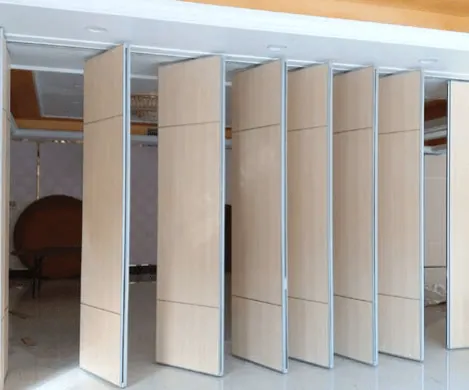
Need more than products?
Our consulting team handles the full project: measurement, design, and verification.
Common questions
That is exactly the balancing act. Directional stage design, barriers, and site layout can cut how much sound escapes the site while the audience experience stays loud and clear. The two goals work together when they are planned as one.
Barriers help most with mid and high frequencies and with sight-line sound paths. They redirect and absorb energy that would otherwise travel straight to nearby areas. Low-frequency bass is harder to stop, which is why barriers are only part of a site-wide plan, not the whole fix.
Requirements vary by city and county: limits, monitoring, curfews, and complaint-response plans are all common. We recommend checking with your local permitting office early and building your sound plan around those conditions. A pre-event assessment helps you arrive with data.
Yes. The audience is the priority zone. Treatment and layout keep energy in, aimed at the crowd. Neighbors experience the reduction, not the attendees.
As early as possible. Stage placement and site layout decisions made months out cost far less than retrofitting once the site is built. If your event is soon, we can still help. Reach out with your site map and dates.
Let's make it quieter.
Browse noise control products, add what you need to a quote request, or talk to our acoustics team about your project.