
Industrial Noise Control
Noise control where work gets loud.
Factories are loud at the source and loud in the room: heavy machinery generates the noise, and big reflective volumes keep it bouncing. Workers, neighbors, and regulators all hear it. Effective control starts at the loudest equipment, then treats the room and the property line.
Acoustic challenges in Industrial
Machinery vibration in the structure
Compressors, presses, and rotating equipment shake floors, walls, and pipework. Vibration travels far and shows up as noise somewhere else.
Combined equipment noise
No single machine is the problem. It's the sum of everything running at once. The combined level on the floor is what drives fatigue and compliance risk.
Reflective factory volumes
Steel, concrete, and metal decking reflect nearly everything. Noise bounces around the space long after it leaves the machine.
Noise reaching the fence line
Rooftop equipment, loading bays, and ventilation carry sound to neighbors. Community complaints and municipal limits follow.
How we treat Industrial
Survey the sources
We identify the loudest machines, how sound travels through the space, and where workers and neighbors are exposed. Treatment starts with the real sources.
Treat the loudest sources first
Source-level treatment (enclosures, wraps, and vibration isolation) cuts noise where it's generated, which is more effective than chasing it across the floor.
Absorb the room
Ceiling and wall absorption in the facility reduces the reflected buildup so the space stops amplifying every machine.
Control the fence line
Barriers and enclosure work at ventilation points, loading bays, and rooftop equipment keep community-facing noise within limits.
Products for Industrial
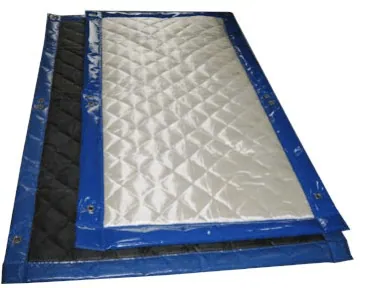
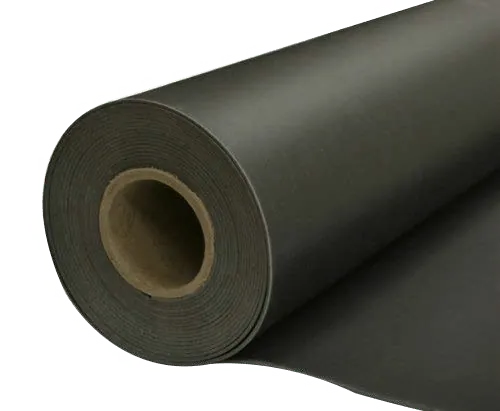
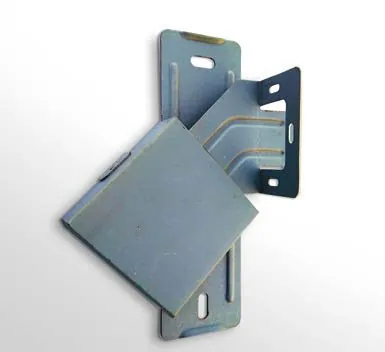
Need more than products?
Our consulting team handles the full project: measurement, design, and verification.
Common questions
Yes. Source treatment and room absorption both bring worker exposure down. An occupational noise assessment measures actual exposure first, so treatment goes where it reduces the dose that matters.
Usually not. Most industrial treatments, such as absorption, wraps, and barriers, install around operating equipment. Vibration isolation may need scheduled downtime for specific machines, which we plan with you.
Source treatment lowers what the machine puts out; room treatment stops the space from amplifying it. The biggest reductions come from doing both, starting with the loudest sources.
Fence-line barriers and enclosure of outdoor or rooftop equipment address community-facing noise. If complaints reference permits, documented measurements show what's actually reaching the property line. Our monitoring service provides those reports.
Request a proposal with your equipment types and the problem you're trying to solve: worker exposure, community complaints, or both. We'll recommend an assessment or treatment plan based on that.
Let's make it quieter.
Browse noise control products, add what you need to a quote request, or talk to our acoustics team about your project.